
5 Important Questions To Ask Before Choosing A Tech & Digital Skills Training Academy In Warri, Effurun, Delta State

Deciding to learn a tech skill or send your child to learn one is a major move. In places like Warri, Effurun, and across Delta State, digital skills are no longer just a fancy extra for your CV. They are now the core foundation for getting good jobs, starting successful businesses, or securing global remote work.

However, picking the right computer training institute can feel overwhelming. Every center around Airport Road or Enerhen Junction promises to make you an expert in two weeks. But how do you separate empty marketing promises from real, practical education?
Before paying tuition for yourself or enrolling your teenager in holiday lessons, ask these five crucial questions to ensure you get full value for your money.
1. HOW UPDATED AND PRACTICAL IS THE CURRICULUM?
Technology moves fast. A curriculum written in 2018 cannot prepare anyone for the modern digital economy.
Many traditional centers still focus heavily on basic theoretical typing lessons or outdated desktop applications. While basic computer operations matter for beginners, a quality tech training institute in Warri must offer practical pathways in high-demand fields like web design, graphic design, data analytics, and digital marketing.
Ask the center to show you their lesson modules. Does the training involve hands-on practice from day one, or will you spend weeks writing notes off a whiteboard? You need a curriculum that focuses on practical application so you can build real confidence.
2. DO THE INSTRUCTORS HAVE REAL-WORLD INDUSTRY EXPERIENCE?
Learning tech from someone who only reads textbook theory is like learning how to drive from someone who has never touched a steering wheel.
Find out who will actually be teaching the classes. Great instructors are active practitioners who work on real project briefs, build live websites, manage digital campaigns, or analyze actual business data.
When instructors bring real industry experience to the classroom, they do not just teach you code or design tools. They teach you how to solve real problems, navigate client expectations, and avoid beginner mistakes.
3. DOES THE CURRICULUM INCLUDE WORKING ON REAL CAPSTONE PROJECTS?
Certificates are good, but in today’s job market, a practical portfolio speaks much louder than a piece of paper. Employers and freelance clients want to see what you can actually build.
Ask if the training includes a mandatory capstone project. A capstone project is a complete, real-world assignment—like designing a functional website for a local business, running a complete digital marketing strategy, or building a data dashboard—that you complete before graduating.
If a center only hands you a certificate without helping you build at least two or three polished portfolio projects, you will still struggle to prove your skills to potential employers or clients after graduation.
4. WHAT CAREER GUIDANCE, MENTORSHIP, AND AFTER-TRAINING SUPPORT DO YOU PROVIDE?
Learning does not end on the final day of class. The real challenge often starts when you sit down at home to work on your first freelance project or prepare for your first job interview.
Find out what happens after the course ends. Does the institute offer:
- Dedicated career guidance and CV reviews?
- Mentorship to help you navigate job applications or freelance platforms?
- Access to an active community of peers and alumni where you can ask questions when you get stuck?
Ongoing access to mentors and an active community ensures that when you encounter complex bugs or design blocks down the road, you are never left to figure it out alone.
5. IS THE PRICING COMPETITIVE AND TRANSPARENT WITH CLEAR PAYMENT STRUCTURES?
Quality digital skills training is an investment in your future, but it should remain accessible. Beware of hidden fees for materials, project submissions, or exam software access that get added halfway through the program.
A reputable academy provides clear, upfront pricing with flexible payment structures. This allows working professionals, small business owners, and parents balancing household finances to plan comfortably without unexpected costs breaking their budget.
MAKE THE RIGHT CHOICE FOR YOUR DIGITAL FUTURE
Choosing where to acquire practical tech skills is one of the most important decisions you can make for your career or your child’s education. By asking these key questions, you protect your hard-earned money and set yourself up for genuine, practical growth.
At LearnHub Africa, we built our learning center around these exact values. As a dedicated social enterprise operating in Warri and Effurun, we provide high-impact, hands-on digital skills training and career mentorship. Whether you are a secondary school leaver building a strong foundation, a university graduate seeking job-ready skills, a working professional planning a career transition, or a parent looking for structured STEM and coding classes for your kids, our programs are designed for real-world results.
Take the next step in your digital journey today:
- Explore our hands-on programs on the LearnHub Africa Training Hub.
- View our complete range of IT Courses and Digital Certifications.
- Download the full LearnHub Africa Tech Training Prospectus for pdf details of our training program and courses.
- Access our free educational guides on our Free Learning Resource Portal.
Have questions about upcoming cohorts or enrollment? Contact the LearnHub Africa Team directly or connect with us on our official social media channels to speak with an admissions advisor today.
- Published in Digital Skills, Education, IT Career Mentorship, Tech Skills
How LearnHub Africa is Transforming Tech & Digital Skill Training in Warri, Effurun & Delta State Region

Finding quality, practical tech training in Delta State used to mean moving to Lagos or paying huge fees for theoretical lectures. For parents looking to secure their children’s future, secondary school graduates awaiting university admissions, and business owners striving to stay relevant, this gap has caused real frustration.
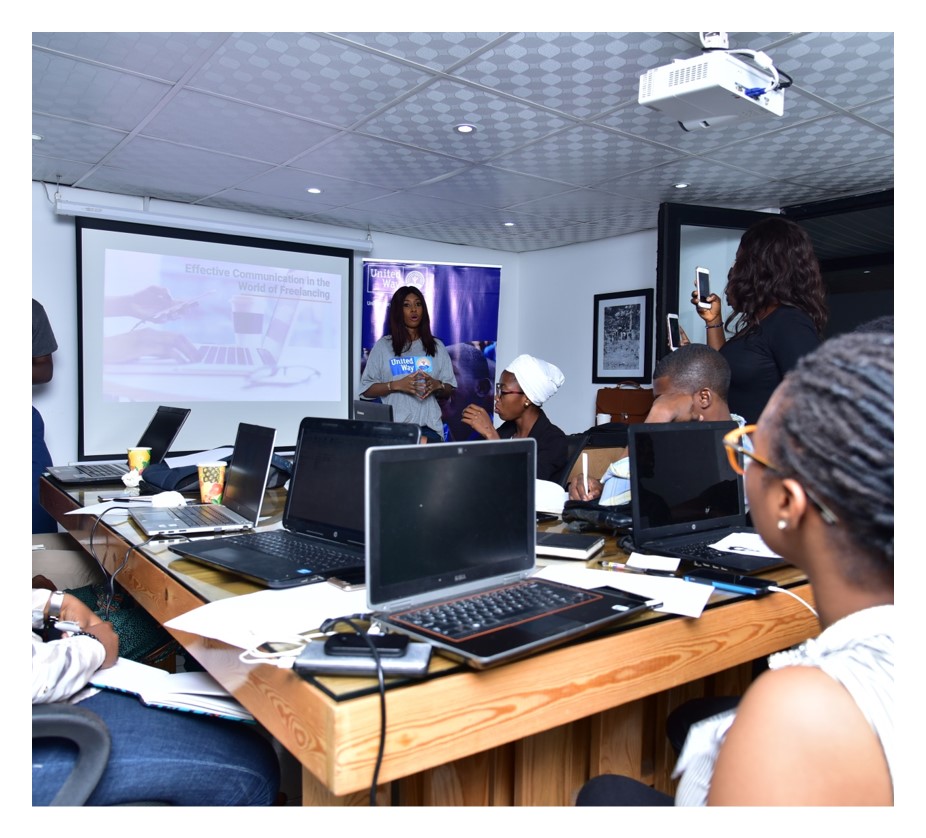
LearnHub Africa is bridging that gap right here in Delta State. Operating as a dedicated social enterprise, we provide high-impact STEM education and digital skills training tailored to local needs.
Whether you are searching for a trusted computer training school in Warri, an affordable coding bootcamp for kids, or a practical tech training institute near Airport Road and Effurun, here is how LearnHub Africa is equipping our community for the global digital economy.
1. UPDATED AND CUSTOMIZED CURRICULUM
Many traditional training centers still teach outdated computer modules that offer little value in today’s job market. We believe education should match real employer demands.
Our curriculum is updated regularly to reflect modern industry standards. We break down complex concepts into simple, practical steps so that anyone can learn, regardless of their background.
- For Kids and Teens: Our hands-on STEM education and coding classes introduce young minds to logical thinking, basic programming, and creative problem-solving early on.
- For Beginners and Job Seekers: Courses cover essential software engineering, UI/UX design (user interface and experience design), data analytics certification, and web development classes.
- For Business Owners: Practical modules in digital marketing training show local entrepreneurs how to manage social media and reach new customers across Nigeria.
2. EXPERIENCED & PROFESSIONAL INSTRUCTORS
A modern curriculum only works when guided by experienced mentors. At LearnHub Africa, our instructors are working tech professionals who bring real-world practice into the classroom.
We understand the unique challenges facing learners in Warri and Effurun, such as navigating internet data costs, power disruptions, and balancing family commitments. Our teachers serve as patient mentors who take the time to answer questions, guide hands-on projects, and ensure no student is left behind.
3. AFFORDABLE PRICING AND SCHOLARSHIP OPPORTUNITIES
High tuition fees should never prevent a determined mind from acquiring digital skills. As a social enterprise, our mission is to make quality tech education accessible to every home in Delta State.
- Transparent Tuition: We keep our training fees affordable for middle-income families, students, and small business owners.
- Flexible Payment Plans: Tuition can be paid in installments to reduce financial strain on parents and self-funding youth.
- Community Scholarships: We regularly offer free digital skills scholarship cohorts and subsidized holiday bootcamps to support talented young people who need financial help.
4. FLEXIBLE TRAINING MODELS
We recognize that everyone’s routine is different. A university student balancing coursework needs a different schedule than a working parent or a secondary school graduate taking a gap year.
To make learning smooth and stress-free, we offer flexible learning options:
- In-Person Classes: Fully equipped physical training facilities around Warri and Effurun, featuring reliable power backup and hands-on guidance.
- Weekend and Evening Tracks: Designed specifically for busy working professionals, teachers, and small business owners.
- Holiday Tech Bootcamps: Specialized intensive sessions for kids and teens during school breaks to build practical skills early.
5. ONGOING MENTORSHIP AND CAREER GUIDANCE
Learning to code or design graphics is only the first step. Transitioning those skills into a steady income or a strong career path requires clear direction.
Our relationship with students does not end when a course finishes. Through ongoing mentorship, peer networking groups, and portfolio-building sessions, we help our graduates take confident steps forward.
We guide university graduates and job seekers on how to format tech resumes, showcase projects to potential employers, and apply for remote or local internships. For young entrepreneurs, we share actionable advice on how to pitch services to local businesses across Delta State.
Ready to Start Your Tech Journey in Delta State?
Building relevant digital skills is one of the most reliable ways to secure your career and financial future in today’s world. Whether you are a parent investing in your child’s education, a school leaver eager for financial independence, or a professional aiming to upgrade your career, LearnHub Africa is ready to walk with you.
Explore our upcoming cohorts and find the right learning path for you:
- Visit our Tech & Digital Skills Center that services Warri and Effurun to engage our facilitators and learn more abour our programs.
- Browse available IT Courses and Tech Bootcamps across Nigeria for full course outlines.
- Access our Free STEM & Digital Skill Learning Resources to start learning today.
Have questions about fees, schedules, or choosing the best course for your goals? Reach out to our team directly through the LearnHub Africa Contact Page. Let us build the future together, right here in Delta State.
- Published in Digital Skills, IT Career Mentorship, Tech Skills
Top Reasons Why Your Child Needs Digital Skills Before Leaving Secondary School
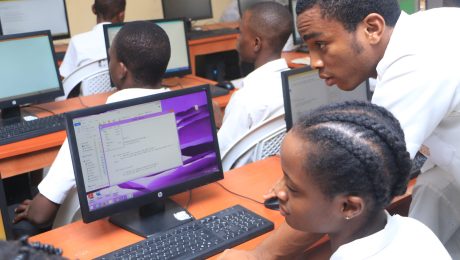
Every Nigerian parent dreams of seeing their teenager cross the secondary school finish line with brilliant results in WAEC and JAMB. Getting that university admission letter is a major family victory, but today an academic certificate alone is no longer a guarantee of success.
Across Nigeria, many brilliant young graduates enter higher education or the job market only to find that traditional classroom knowledge leaves a massive gap. Technology has shifted from being a simple computer studies subject in school to the very engine driving modern business, learning, and daily life.
Equipping your teenager with practical digital skills before they write their final secondary school exams gives them an undeniable advantage. Here is why introducing your child to tech skills early is the best investment you can make for their future.
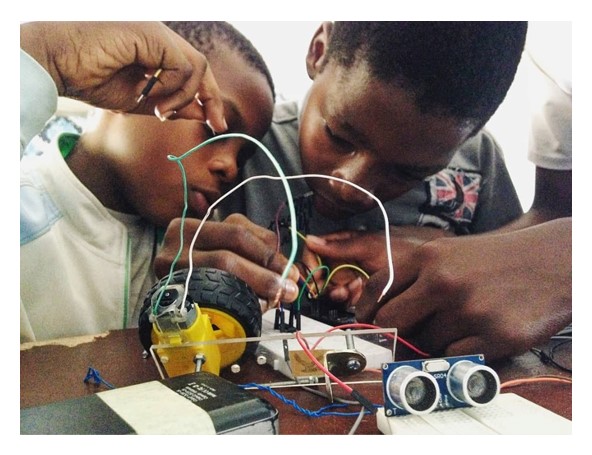
WHAT MAKES DIGITAL SKILLS ESSENTIAL BEFORE UNIVERSITY
In today’s fast-moving world, digital technology and computing have become a core part of almost everything we do. Whether your child wants to study Medicine, Law, Accounting, or Engineering, tech skills are no longer optional.
Building digital competence early transforms how young people think, learn, and create value. Here are nine fundamental ways digital skills prepare your child for future success:
- Digital technology and computing has become a part of almost everything we do.
- Expertise in Computing and Digital skills will help you learn how to solve difficult and complex problems.
- It can give you the opportunity of making a positive difference in the world.
- It provides the opportunity for many lucrative careers.
- Computing jobs provide some of the best working models, such as your ability to work remotely or even from home.
- Computing skills will help better able to succeed even if your career is in another sector.
- It gives you the opportunity to explore and develop your skills for creativity and innovativeness.
- Computing is an essential part of well-rounded academic preparation.
- Future opportunities in computing are without boundaries.
HOW DIGITAL COMPETENCE BOOSTS ACADEMIC PERFORMANCE
Many parents worry that screen time will distract their children from studying for high-stakes exams. However, structured tech training does the exact opposite.
When teenagers learn coding or web development, they learn computational thinking. This means breaking down large, frightening problems into small, logical steps.
This structured approach directly translates to better performance in difficult subjects like Mathematics and Physics. Furthermore, secondary school students preparing for CBT exam software formats during JAMB need high computer speed and confidence to score above 300 in JAMB without exam panic.
HOW TO PREPARE YOUR CHILD FOR A REWARDING CAREER
The modern global economy rewards practical skills over paper qualifications alone. High-demand fields like software development, data analysis, UI/UX design, and digital marketing offer high entry-level pay and long-term security.
By enrolling your child in a summer tech bootcamp or structured holiday lessons, you help them discover their natural talents early. Instead of guessing which university course to choose, they gain clear direction grounded in real-world demand.
Additionally, digital skills grant young people career flexibility. Tech skills allow young adults to take on global freelancing projects or remote internships right from home, helping them build financial independence while pursuing their university degrees.
HOW TO OVERCOME REAL NIGERIAN CHALLENGES IN TECH EDUCATION
Raising a future-ready child in Nigeria comes with unique realities. Busy working parents often face challenges like high internet data costs, erratic power supply, and legitimate concerns about online safety.
You do not need an expensive setup or constant high-speed internet for your child to start learning digital skills. Here are practical ways to manage these challenges:
- Choose Offline-First Learning: Look for programs that use downloadable practice files and offline software, allowing students to practice coding or design without burning through mobile data.
- Turn Screen Time into Skill Time: Set clear family boundaries using simple parental control apps, guiding your teenager away from passive social media scrolling toward creative tools like Canva or Scratch.
- Utilize Holiday Periods: Use long school vacations for intensive, physical bootcamps where structured power and internet access are fully provided.
HOW LEARNHUB AFRICA PARTNERS WITH YOUR FAMILY
At LearnHub Africa, we understand the balancing act of modern African parenting. We bridge the gap between traditional secondary education and practical tech skills training.
We offer hands-on coding bootcamps, academic support, and career mentorship designed specifically for young learners. Whether you are looking for an online lesson teacher or an affordable coding training center in Warri-Effurun or Lagos, our programs are built to deliver real educational ROI.
- Practical STEM & STEAM Training: Interactive classes in web development, python programming, robotics, and digital graphics.
- JAMB & WAEC Academic Support: Structured CBT past question drills and revision strategies to help students pass WAEC and ace national entrance exams.
- Youth Career Mentorship: Guiding students to build strong moral character, practical life skills, and professional confidence.
BUILD A SECURE FUTURE FOR YOUR CHILD TODAY
Giving your child digital competence before they leave secondary school is one of the greatest legacies you can offer them. It builds their confidence, elevates their academic standing, and secures their place in a rapidly evolving global economy.
Start today by turning your child’s interest in technology into a lifelong superpower.
To explore our upcoming holiday programs, CBT preparation courses, and tech bootcamps, visit the LearnHub Africa website at www.learnhubafrica.org. You can also connect directly with our admissions and mentorship team through our official social media pages to enroll your child today.
- Published in Digital Skills, Education, STEM
The Evolution of The Oracle: The Village Elder’s Adaptation to the Digital Age

Papa Ekene arrived from the village with two large woven bags of yams and high hopes for a great holiday time with his Son, Ekene and his grandkids who lives in one of the thriving cities in faraway Lagos. He had imagined it clearly: sitting under the evening stars, clearing his throat with a raspy cough, and recounting the ancient origins of the Igbo kingdom to his grandchildren while they listened in rapt attention, just as he had done with his own grandfather decades ago.
Reality, however, clicked on in high-definition even before he had a chance to settle down.
His grandchildren—Nnamdi and Chidimma—barely showed excitement when he entered arrived. They were mostly glued to a massive, paper-thin screen mounted on the living room wall.
“Papa, welcome,” his son, Ekene, said with a quick laugh, patting his father’s shoulder. “Don’t mind them. That is a Smart TV. No box like the one in your parlor.”
Evening came, and Papa Ekene settled onto one of the lush cushions in the living room, determined. That his moment of shine will not pass him by. As the children finally slumped on the rug, Papa Ekene cleared his throat loudly.
“Listen, my children,” he began, leaning forward, his voice taking on the solemn cadence of a village storyteller. “Let me tell you of the great rains of 1974, and how the spirits of the ancestors foretold the drought before it came—”
“Papa, rain isn’t coming tomorrow either,” eight-year-old Nnamdi interrupted, tapping a small glass rectangle in his palm, which in actual fact was his ipad tablet. “It’s going to be thirty-two degrees and sunny. Humidity is forty percent.”
Papa Ekene blinked, his brows furrowing. “Who told you this? The elders?”
“Google,” Chidimma chimed in without looking up from her own device—a flat, glowing object that Papa secretly thought looked like a pocket-sized television.
“Who is this Google?” Papa asked, his voice dropping into a cautious whisper. “Is he a chief in the city?”
“It’s not a person, Papa,” Nnamdi laughed, showing him the screen. “You just ask it anything, and it answers. Look.” Nnamdi pressed a tiny microphone icon. “Hey Google, when did the Nri Kingdom start?”
A crisp, polite female voice instantly echoed from the device: According to historical records, the Nri Kingdom in southeastern Nigeria was established around 900 AD by the divine figure Eri…
Papa shrank back into the sofa, his eyes wide. He watched as the children spent the next hour asking this invisible spirit about everything—from how to bake a cake to the direct road layout of Enugu town.
Silence fell over the room after the children went to bed, but Papa Ekene stayed awake, staring at Ekene’s extra “small TV”—the laptop resting on the dining table. He thought of Igwe’s shrine back home in the village. He thought of Chief Priest Okeke, who routinely demanded two fat cocks, a bottle of hot drink, and a whole goat just to give a vague prediction about the yam harvest—predictions that were wrong half the time anyway.
And this Google asks for no blood? No palm wine? Just a little electricity? Papa marveled. This is the most generous, accurate, and cheapest oracle in human history.
Two weeks later, when it was time to return to the village, Papa Ekene packed his bags carefully. Tucked securely inside one of them was Ekene’s old backup laptop, complete with a plugged-in internet dongle he had quietly begged his son to set up for him.
By the following month, word had spread across the village like wildfire.
Papa Ekene sat proudly beneath the breadfruit tree in his compound, wearing his traditional red cap and white singlet, a mercilessly chewed ‘chewing stick’ dangling with confidence in his mouth as he leaned over the glowing laptop screen perched beside his palm wine mug on the stool in front of him. A small line of villagers had already formed outside his gate, each holding a modest fee of 200 hundred naira.
“Papa, please,” the village chief hunter pleaded, stepping forward nervously. “We are planning for an all-night hunting trip in three days time. Will the forest be burdened with rain, or is there any sign it will rain?”
Papa tapped the keyboard with two slow, deliberate fingers, his face illuminated by the blue light of the screen. He leaned back, adjusting his spectacles with absolute authority.
“The Chief Oracle has spoken,” Papa announced, his voice echoing through the compound. “The forest will be clear, but expect light rain on the day after. What the gods of old could only see while standing on top of the mountain, a wise man with internet access can now see with just one click of a button.”
- Published in Digital Skills, Education
Integrating AI into the Nigerian Educational System: A Path Forward

As artificial intelligence continues to reshape global industries, Nigerian parents and educators face a critical question: how do we prepare our children today for an AI-driven tomorrow?
During a recent panel discussion hosted by LearnHub Africa, tech founder Kelly Idehen and AI strategist Victor Uche unpacked how the Nigerian educational system can adapt to this global technological shift. Bringing artificial intelligence into African classrooms is not about chasing high-tech trends. It is about equipping young people with practical digital skills, critical thinking, and character to thrive in a rapidly changing world.
Here is a practical breakdown of how Nigeria can build a future-ready education system, despite everyday operational challenges.
Essential Components for an AI Curriculum
To prepare students effectively, computer studies must move beyond mechanical typing lessons and theoretical textbook definitions. Modern digital education requires hands-on exposure to practical tech tools. Idehen and Uche highlighted three foundational pillars for a grounded AI curriculum:
- AI Ethics and Responsible Use: Teaching young learners how to use AI responsibly is critical. This includes preventing academic dishonesty, avoiding online scams or misinformation, and upholding personal integrity when using automated software.
- Prompt Engineering and Communication: Prompt engineering means learning how to give clear, structured instructions to digital tools. When students learn how to ask precise questions, they build strong critical thinking and problem-solving abilities.
- AI Literacy and Foundational Awareness: Students need a general understanding of how algorithms, machine learning, and data work together. Demystifying these concepts early helps students discover career pathways in tech, from software engineering to digital product design.
+-------------------------------------------------------------------+
|                   THREE PILLARS OF AI EDUCATION                   |
+-------------------------------------------------------------------+
|  1. AI Ethics         --> Responsible use, integrity & safety     |
|  2. Prompting         --> Clear instructions & critical thinking  |
|  3. Digital Literacy  --> Understanding data, logic & career path |
+-------------------------------------------------------------------+
Implementation Strategy: Where Do We Start?
Integrating AI tools across primary, secondary, and tertiary levels does not require every child to become a computer programmer. Instead, digital tools serve as powerful learning companions across every subject.
- Broad, Age-Appropriate Adoption: Primary pupils can use basic logic games to build spatial awareness, while secondary students preparing for exams like WAEC or JAMB can leverage interactive practice tools to strengthen weak subjects.
- Democratization of Learning: Practical tech skills act as a social equalizer. When young people learn digital skills, they can build solutions, access international mentorship, and create self-employment opportunities regardless of their background.
Overcoming Infrastructure Barriers: Low Data, Power, and Resources
The biggest concern for Nigerian parents and school proprietors is infrastructure. Constant power outages, high internet data costs, and a lack of qualified ICT teachers create real friction.
Building future-ready students under these conditions requires practical, offline-first strategies:
- Utilize Offline-First Learning Tools: Schools and parents should prioritize software, offline coding environments, and downloadable resources that do not require continuous internet data.
- Align Schedules with Power Availability: Practical computer sessions can be scheduled around generator operations or solar power availability, while logic exercises and project planning happen offline.
- Leverage Private-Sector Bootcamps: Because government policy takes time to implement, private initiatives and social enterprises step in to bridge the gap. Holiday tech bootcamps and weekend home lessons give students direct access to experienced facilitators without overworking school staff.
Preparing the next generation for an AI-powered world requires action from parents, schools, and community leaders today. By combining strong academic preparation with practical digital skills and sound character, we can raise confident, competitive, and future-ready children.
To explore accredited STEM bootcamps, holiday tech programs, or academic coaching options for your child or school, visit our website at www.learnhubafrica.org or reach out to the LearnHub Africa team across our official social media channels.
Watch the full clip here.
- Published in Digital Skills, Education, STEM
How Nigerian Private Schools Can Boost Term Enrollment by Offering Accredited STEM & Tech Holiday Camps
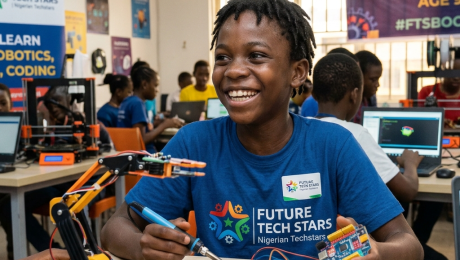
Every term, private school owners face the exact same anxiety. Parents drop off tuition fees, but they ask tougher questions than they did last year. They want high WAEC and JAMB pass rates, but they also ask if your school teaches coding, robotics, or practical digital skills.
In urban and semi-urban communities across Nigeria, standard academic excellence is no longer enough to secure student retention. Parents are actively looking for schools that prepare their children for a tech-driven world. If your school only offers standard academic coaching during the long holidays, you are leaving money and prospective students on the table.
The Enrollment Challenge: Standing Out in a Competitive School Market
Running a private school in Nigeria comes with steep operational costs. Between fuel prices for generators and retaining qualified teachers, profit margins are tight. To grow, you need new student registrations every September.
Modern parents view education as a direct investment. They want to see immediate educational returns. When they evaluate your school against the one down the street, they look for clear differentiators.
A traditional holiday lesson with chalkboards and past questions is no longer a strong selling point. Parents know their children need digital competence to thrive. When a school offers structured digital skills alongside academic prep, parents pay attention.
Transforming Your School’s Holiday Program into an Enrollment Magnet
You do not need to rebuild your curriculum from scratch to offer modern technology education. Partnering with LearnHub Africa allows you to host accredited STEM and tech holiday camps right inside your premises. STEM stands for Science, Technology, Engineering, and Mathematics.
By transforming your holiday lessons into a high-impact tech bootcamp, your school immediately gains a competitive edge. Here is how this strategy builds your enrollment:
- It attracts neighboring students: Children from other schools join your holiday camp to learn coding, graphic design, or digital marketing. Once parents see your facilities and organized structure, they switch schools for the main academic term.
- It solves the holiday screen-time problem: Busy working parents worry about their children wasting time on smartphones or television during long breaks. A structured camp gives them a safe, productive environment.
- It showcases real proof of learning: At the end of the bootcamp, students build real projects like basic websites, mobile apps, or digital designs. When parents see what their five-year-old or teenager created, their trust in your school skyrockets.
Overcoming Infrastructure Barriers: Low Data, Power, and Teacher Training
Many school proprietors worry about the logistics of running a tech program. Erratic power supply, high internet data costs, and a lack of specialized computer teachers are real obstacles in Nigeria.
You do not need a massive budget or an enterprise setup to deliver high-quality digital skills training.
First, we utilize offline-first software and downloadable resources. Students practice coding and design locally on computers without consuming continuous internet data.
Second, class timetables are aligned with your generator schedules or solar capacity. Heavy practical sessions run during peak power hours, while project planning and logic exercises take place without electricity.
Finally, LearnHub Africa provides fully trained turnkey facilitators to run the program. Your regular school teachers do not suffer from burnout or extra workload. They can even sit in to upskill their own digital teaching methods.
Measuring ROI: Higher Retention, New Admissions, and Prestige
Hosting an accredited tech camp delivers direct financial and strategic returns for your school. ROI stands for Return on Investment, which measures the revenue generated compared to the money spent.
Schools that run structured STEM bootcamps report three immediate business outcomes:
- Increased Holiday Revenue: You earn direct tuition fees from the holiday camp, creating a strong revenue stream during off-season months.
- Higher Conversion of Guest Students: Families who send their children solely for the holiday program experience your school’s culture. A high percentage of these guest students register as full-time pupils in September.
- Boosted Brand Prestige: Hosting an end-of-camp “Tech Exhibition Day” where students present their projects to parents creates massive word-of-mouth marketing. Satisfied parents become your best brand advocates in the community.
Combining rigorous academic coaching for WAEC and JAMB with practical digital training makes your school the top choice in your neighborhood.
Ready to position your institution as a leading modern school in your area? Partner with LearnHub Africa to launch an accredited Holiday Tech & Academic Coaching Program at your school this coming break.
Visit our website contact page at www.learnhubafrica.org/contact or reach out directly to our school partnership team on social media to schedule a consultation. Together, let us raise future-ready children and grow your school’s legacy.
- Published in Digital Skills, Education, STEM