
Top Reasons Why Your Child Needs Digital Skills Before Leaving Secondary School
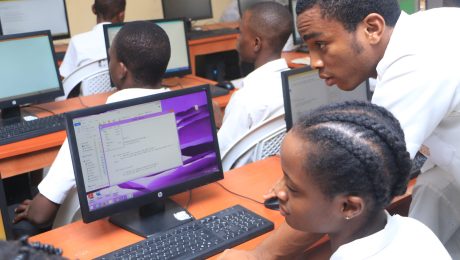
Every Nigerian parent dreams of seeing their teenager cross the secondary school finish line with brilliant results in WAEC and JAMB. Getting that university admission letter is a major family victory, but today an academic certificate alone is no longer a guarantee of success.
Across Nigeria, many brilliant young graduates enter higher education or the job market only to find that traditional classroom knowledge leaves a massive gap. Technology has shifted from being a simple computer studies subject in school to the very engine driving modern business, learning, and daily life.
Equipping your teenager with practical digital skills before they write their final secondary school exams gives them an undeniable advantage. Here is why introducing your child to tech skills early is the best investment you can make for their future.
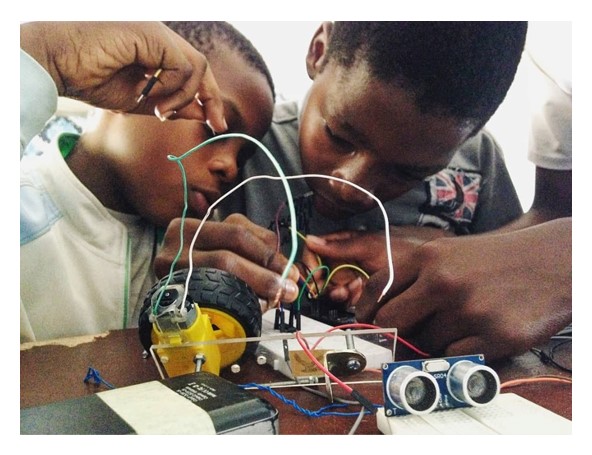
WHAT MAKES DIGITAL SKILLS ESSENTIAL BEFORE UNIVERSITY
In today’s fast-moving world, digital technology and computing have become a core part of almost everything we do. Whether your child wants to study Medicine, Law, Accounting, or Engineering, tech skills are no longer optional.
Building digital competence early transforms how young people think, learn, and create value. Here are nine fundamental ways digital skills prepare your child for future success:
- Digital technology and computing has become a part of almost everything we do.
- Expertise in Computing and Digital skills will help you learn how to solve difficult and complex problems.
- It can give you the opportunity of making a positive difference in the world.
- It provides the opportunity for many lucrative careers.
- Computing jobs provide some of the best working models, such as your ability to work remotely or even from home.
- Computing skills will help better able to succeed even if your career is in another sector.
- It gives you the opportunity to explore and develop your skills for creativity and innovativeness.
- Computing is an essential part of well-rounded academic preparation.
- Future opportunities in computing are without boundaries.
HOW DIGITAL COMPETENCE BOOSTS ACADEMIC PERFORMANCE
Many parents worry that screen time will distract their children from studying for high-stakes exams. However, structured tech training does the exact opposite.
When teenagers learn coding or web development, they learn computational thinking. This means breaking down large, frightening problems into small, logical steps.
This structured approach directly translates to better performance in difficult subjects like Mathematics and Physics. Furthermore, secondary school students preparing for CBT exam software formats during JAMB need high computer speed and confidence to score above 300 in JAMB without exam panic.
HOW TO PREPARE YOUR CHILD FOR A REWARDING CAREER
The modern global economy rewards practical skills over paper qualifications alone. High-demand fields like software development, data analysis, UI/UX design, and digital marketing offer high entry-level pay and long-term security.
By enrolling your child in a summer tech bootcamp or structured holiday lessons, you help them discover their natural talents early. Instead of guessing which university course to choose, they gain clear direction grounded in real-world demand.
Additionally, digital skills grant young people career flexibility. Tech skills allow young adults to take on global freelancing projects or remote internships right from home, helping them build financial independence while pursuing their university degrees.
HOW TO OVERCOME REAL NIGERIAN CHALLENGES IN TECH EDUCATION
Raising a future-ready child in Nigeria comes with unique realities. Busy working parents often face challenges like high internet data costs, erratic power supply, and legitimate concerns about online safety.
You do not need an expensive setup or constant high-speed internet for your child to start learning digital skills. Here are practical ways to manage these challenges:
- Choose Offline-First Learning: Look for programs that use downloadable practice files and offline software, allowing students to practice coding or design without burning through mobile data.
- Turn Screen Time into Skill Time: Set clear family boundaries using simple parental control apps, guiding your teenager away from passive social media scrolling toward creative tools like Canva or Scratch.
- Utilize Holiday Periods: Use long school vacations for intensive, physical bootcamps where structured power and internet access are fully provided.
HOW LEARNHUB AFRICA PARTNERS WITH YOUR FAMILY
At LearnHub Africa, we understand the balancing act of modern African parenting. We bridge the gap between traditional secondary education and practical tech skills training.
We offer hands-on coding bootcamps, academic support, and career mentorship designed specifically for young learners. Whether you are looking for an online lesson teacher or an affordable coding training center in Warri-Effurun or Lagos, our programs are built to deliver real educational ROI.
- Practical STEM & STEAM Training: Interactive classes in web development, python programming, robotics, and digital graphics.
- JAMB & WAEC Academic Support: Structured CBT past question drills and revision strategies to help students pass WAEC and ace national entrance exams.
- Youth Career Mentorship: Guiding students to build strong moral character, practical life skills, and professional confidence.
BUILD A SECURE FUTURE FOR YOUR CHILD TODAY
Giving your child digital competence before they leave secondary school is one of the greatest legacies you can offer them. It builds their confidence, elevates their academic standing, and secures their place in a rapidly evolving global economy.
Start today by turning your child’s interest in technology into a lifelong superpower.
To explore our upcoming holiday programs, CBT preparation courses, and tech bootcamps, visit the LearnHub Africa website at www.learnhubafrica.org. You can also connect directly with our admissions and mentorship team through our official social media pages to enroll your child today.
- Published in Digital Skills, Education, STEM
Integrating AI into the Nigerian Educational System: A Path Forward

As artificial intelligence continues to reshape global industries, Nigerian parents and educators face a critical question: how do we prepare our children today for an AI-driven tomorrow?
During a recent panel discussion hosted by LearnHub Africa, tech founder Kelly Idehen and AI strategist Victor Uche unpacked how the Nigerian educational system can adapt to this global technological shift. Bringing artificial intelligence into African classrooms is not about chasing high-tech trends. It is about equipping young people with practical digital skills, critical thinking, and character to thrive in a rapidly changing world.
Here is a practical breakdown of how Nigeria can build a future-ready education system, despite everyday operational challenges.
Essential Components for an AI Curriculum
To prepare students effectively, computer studies must move beyond mechanical typing lessons and theoretical textbook definitions. Modern digital education requires hands-on exposure to practical tech tools. Idehen and Uche highlighted three foundational pillars for a grounded AI curriculum:
- AI Ethics and Responsible Use: Teaching young learners how to use AI responsibly is critical. This includes preventing academic dishonesty, avoiding online scams or misinformation, and upholding personal integrity when using automated software.
- Prompt Engineering and Communication: Prompt engineering means learning how to give clear, structured instructions to digital tools. When students learn how to ask precise questions, they build strong critical thinking and problem-solving abilities.
- AI Literacy and Foundational Awareness: Students need a general understanding of how algorithms, machine learning, and data work together. Demystifying these concepts early helps students discover career pathways in tech, from software engineering to digital product design.
+-------------------------------------------------------------------+
|                   THREE PILLARS OF AI EDUCATION                   |
+-------------------------------------------------------------------+
|  1. AI Ethics         --> Responsible use, integrity & safety     |
|  2. Prompting         --> Clear instructions & critical thinking  |
|  3. Digital Literacy  --> Understanding data, logic & career path |
+-------------------------------------------------------------------+
Implementation Strategy: Where Do We Start?
Integrating AI tools across primary, secondary, and tertiary levels does not require every child to become a computer programmer. Instead, digital tools serve as powerful learning companions across every subject.
- Broad, Age-Appropriate Adoption: Primary pupils can use basic logic games to build spatial awareness, while secondary students preparing for exams like WAEC or JAMB can leverage interactive practice tools to strengthen weak subjects.
- Democratization of Learning: Practical tech skills act as a social equalizer. When young people learn digital skills, they can build solutions, access international mentorship, and create self-employment opportunities regardless of their background.
Overcoming Infrastructure Barriers: Low Data, Power, and Resources
The biggest concern for Nigerian parents and school proprietors is infrastructure. Constant power outages, high internet data costs, and a lack of qualified ICT teachers create real friction.
Building future-ready students under these conditions requires practical, offline-first strategies:
- Utilize Offline-First Learning Tools: Schools and parents should prioritize software, offline coding environments, and downloadable resources that do not require continuous internet data.
- Align Schedules with Power Availability: Practical computer sessions can be scheduled around generator operations or solar power availability, while logic exercises and project planning happen offline.
- Leverage Private-Sector Bootcamps: Because government policy takes time to implement, private initiatives and social enterprises step in to bridge the gap. Holiday tech bootcamps and weekend home lessons give students direct access to experienced facilitators without overworking school staff.
Preparing the next generation for an AI-powered world requires action from parents, schools, and community leaders today. By combining strong academic preparation with practical digital skills and sound character, we can raise confident, competitive, and future-ready children.
To explore accredited STEM bootcamps, holiday tech programs, or academic coaching options for your child or school, visit our website at www.learnhubafrica.org or reach out to the LearnHub Africa team across our official social media channels.
Watch the full clip here.
- Published in Digital Skills, Education, STEM
How Nigerian Private Schools Can Boost Term Enrollment by Offering Accredited STEM & Tech Holiday Camps
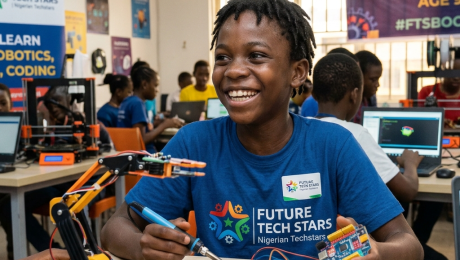
Every term, private school owners face the exact same anxiety. Parents drop off tuition fees, but they ask tougher questions than they did last year. They want high WAEC and JAMB pass rates, but they also ask if your school teaches coding, robotics, or practical digital skills.
In urban and semi-urban communities across Nigeria, standard academic excellence is no longer enough to secure student retention. Parents are actively looking for schools that prepare their children for a tech-driven world. If your school only offers standard academic coaching during the long holidays, you are leaving money and prospective students on the table.
The Enrollment Challenge: Standing Out in a Competitive School Market
Running a private school in Nigeria comes with steep operational costs. Between fuel prices for generators and retaining qualified teachers, profit margins are tight. To grow, you need new student registrations every September.
Modern parents view education as a direct investment. They want to see immediate educational returns. When they evaluate your school against the one down the street, they look for clear differentiators.
A traditional holiday lesson with chalkboards and past questions is no longer a strong selling point. Parents know their children need digital competence to thrive. When a school offers structured digital skills alongside academic prep, parents pay attention.
Transforming Your School’s Holiday Program into an Enrollment Magnet
You do not need to rebuild your curriculum from scratch to offer modern technology education. Partnering with LearnHub Africa allows you to host accredited STEM and tech holiday camps right inside your premises. STEM stands for Science, Technology, Engineering, and Mathematics.
By transforming your holiday lessons into a high-impact tech bootcamp, your school immediately gains a competitive edge. Here is how this strategy builds your enrollment:
- It attracts neighboring students: Children from other schools join your holiday camp to learn coding, graphic design, or digital marketing. Once parents see your facilities and organized structure, they switch schools for the main academic term.
- It solves the holiday screen-time problem: Busy working parents worry about their children wasting time on smartphones or television during long breaks. A structured camp gives them a safe, productive environment.
- It showcases real proof of learning: At the end of the bootcamp, students build real projects like basic websites, mobile apps, or digital designs. When parents see what their five-year-old or teenager created, their trust in your school skyrockets.
Overcoming Infrastructure Barriers: Low Data, Power, and Teacher Training
Many school proprietors worry about the logistics of running a tech program. Erratic power supply, high internet data costs, and a lack of specialized computer teachers are real obstacles in Nigeria.
You do not need a massive budget or an enterprise setup to deliver high-quality digital skills training.
First, we utilize offline-first software and downloadable resources. Students practice coding and design locally on computers without consuming continuous internet data.
Second, class timetables are aligned with your generator schedules or solar capacity. Heavy practical sessions run during peak power hours, while project planning and logic exercises take place without electricity.
Finally, LearnHub Africa provides fully trained turnkey facilitators to run the program. Your regular school teachers do not suffer from burnout or extra workload. They can even sit in to upskill their own digital teaching methods.
Measuring ROI: Higher Retention, New Admissions, and Prestige
Hosting an accredited tech camp delivers direct financial and strategic returns for your school. ROI stands for Return on Investment, which measures the revenue generated compared to the money spent.
Schools that run structured STEM bootcamps report three immediate business outcomes:
- Increased Holiday Revenue: You earn direct tuition fees from the holiday camp, creating a strong revenue stream during off-season months.
- Higher Conversion of Guest Students: Families who send their children solely for the holiday program experience your school’s culture. A high percentage of these guest students register as full-time pupils in September.
- Boosted Brand Prestige: Hosting an end-of-camp “Tech Exhibition Day” where students present their projects to parents creates massive word-of-mouth marketing. Satisfied parents become your best brand advocates in the community.
Combining rigorous academic coaching for WAEC and JAMB with practical digital training makes your school the top choice in your neighborhood.
Ready to position your institution as a leading modern school in your area? Partner with LearnHub Africa to launch an accredited Holiday Tech & Academic Coaching Program at your school this coming break.
Visit our website contact page at www.learnhubafrica.org/contact or reach out directly to our school partnership team on social media to schedule a consultation. Together, let us raise future-ready children and grow your school’s legacy.
- Published in Digital Skills, Education, STEM