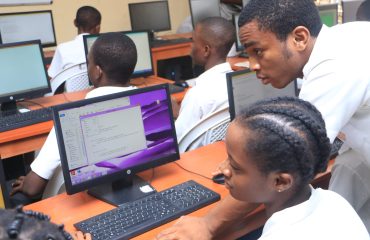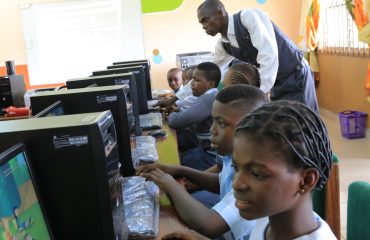
As artificial intelligence continues to reshape global industries, Nigerian parents and educators face a critical question: how do we prepare our children today for an AI-driven tomorrow?
During a recent panel discussion hosted by LearnHub Africa, tech founder Kelly Idehen and AI strategist Victor Uche unpacked how the Nigerian educational system can adapt to this global technological shift. Bringing artificial intelligence into African classrooms is not about chasing high-tech trends. It is about equipping young people with practical digital skills, critical thinking, and character to thrive in a rapidly changing world.
Here is a practical breakdown of how Nigeria can build a future-ready education system, despite everyday operational challenges.
Essential Components for an AI Curriculum
To prepare students effectively, computer studies must move beyond mechanical typing lessons and theoretical textbook definitions. Modern digital education requires hands-on exposure to practical tech tools. Idehen and Uche highlighted three foundational pillars for a grounded AI curriculum:
- AI Ethics and Responsible Use: Teaching young learners how to use AI responsibly is critical. This includes preventing academic dishonesty, avoiding online scams or misinformation, and upholding personal integrity when using automated software.
- Prompt Engineering and Communication: Prompt engineering means learning how to give clear, structured instructions to digital tools. When students learn how to ask precise questions, they build strong critical thinking and problem-solving abilities.
- AI Literacy and Foundational Awareness: Students need a general understanding of how algorithms, machine learning, and data work together. Demystifying these concepts early helps students discover career pathways in tech, from software engineering to digital product design.
+-------------------------------------------------------------------+
|                   THREE PILLARS OF AI EDUCATION                   |
+-------------------------------------------------------------------+
|  1. AI Ethics         --> Responsible use, integrity & safety     |
|  2. Prompting         --> Clear instructions & critical thinking  |
|  3. Digital Literacy  --> Understanding data, logic & career path |
+-------------------------------------------------------------------+
Implementation Strategy: Where Do We Start?
Integrating AI tools across primary, secondary, and tertiary levels does not require every child to become a computer programmer. Instead, digital tools serve as powerful learning companions across every subject.
- Broad, Age-Appropriate Adoption: Primary pupils can use basic logic games to build spatial awareness, while secondary students preparing for exams like WAEC or JAMB can leverage interactive practice tools to strengthen weak subjects.
- Democratization of Learning: Practical tech skills act as a social equalizer. When young people learn digital skills, they can build solutions, access international mentorship, and create self-employment opportunities regardless of their background.
Overcoming Infrastructure Barriers: Low Data, Power, and Resources
The biggest concern for Nigerian parents and school proprietors is infrastructure. Constant power outages, high internet data costs, and a lack of qualified ICT teachers create real friction.
Building future-ready students under these conditions requires practical, offline-first strategies:
- Utilize Offline-First Learning Tools: Schools and parents should prioritize software, offline coding environments, and downloadable resources that do not require continuous internet data.
- Align Schedules with Power Availability: Practical computer sessions can be scheduled around generator operations or solar power availability, while logic exercises and project planning happen offline.
- Leverage Private-Sector Bootcamps: Because government policy takes time to implement, private initiatives and social enterprises step in to bridge the gap. Holiday tech bootcamps and weekend home lessons give students direct access to experienced facilitators without overworking school staff.
Preparing the next generation for an AI-powered world requires action from parents, schools, and community leaders today. By combining strong academic preparation with practical digital skills and sound character, we can raise confident, competitive, and future-ready children.
To explore accredited STEM bootcamps, holiday tech programs, or academic coaching options for your child or school, visit our website at www.learnhubafrica.org or reach out to the LearnHub Africa team across our official social media channels.
Watch the full clip here.